Red Eye Radio
    1:00 a.m. - 6:00 a.m.
  • Listen Live

  • email club

  • Play

  • Apple

  • X

  • Facebook

  • Instagram

  • How to Listen

  • Home
    • About Us
  • News
  • Sports
  • Schedule
  • Shows
  • Weekend Gardener
  • Contests
    • Contest Rules
  • Events
    • Community Events
      • Community Events – Meetings
      • Community Events – Things To Do
      • Community Events – Places To Go
    • Submit Your Community Event
  • Contact
  • search
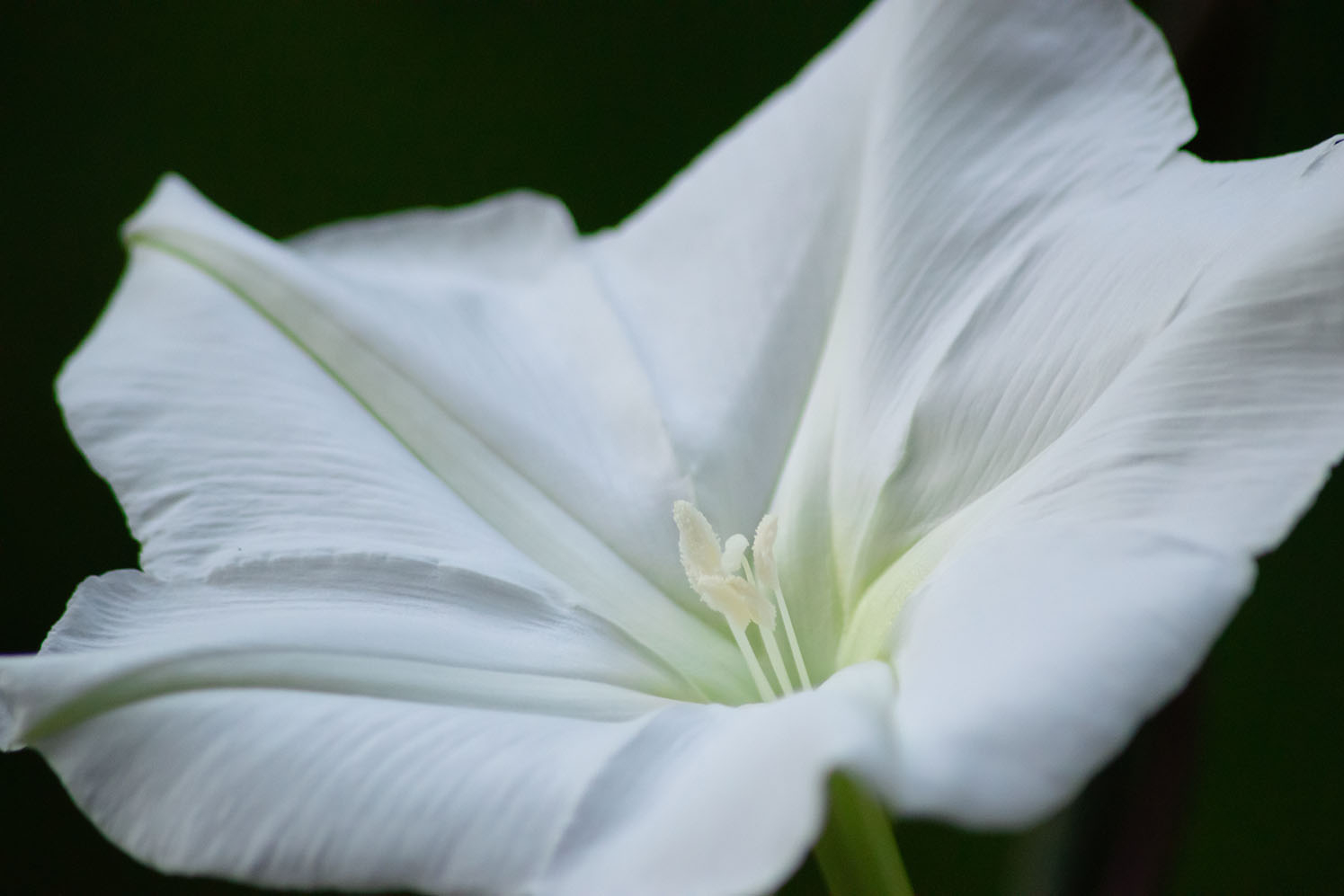
Moonflowers offer nighttime beauty in North Carolina gardens

Moonflowers offer nighttime beauty in North Carolina gardens

I must say from the outset that Melissa and I have never gotten around to planting a night-blooming anything. I have had to do some research on this little number. Melissa’s mom, Miss Jean, had an eye-catching night-blooming plant that you could see when looking out of the glass windows at the front door and the kitchen window of her beautiful farmhouse in Chatham County. She would pull up a chair, sometimes with a friend, to watch the beautiful white blossom open. I’m sure most of my “Weekend Gardener” buddies have one planted.… Continue Reading
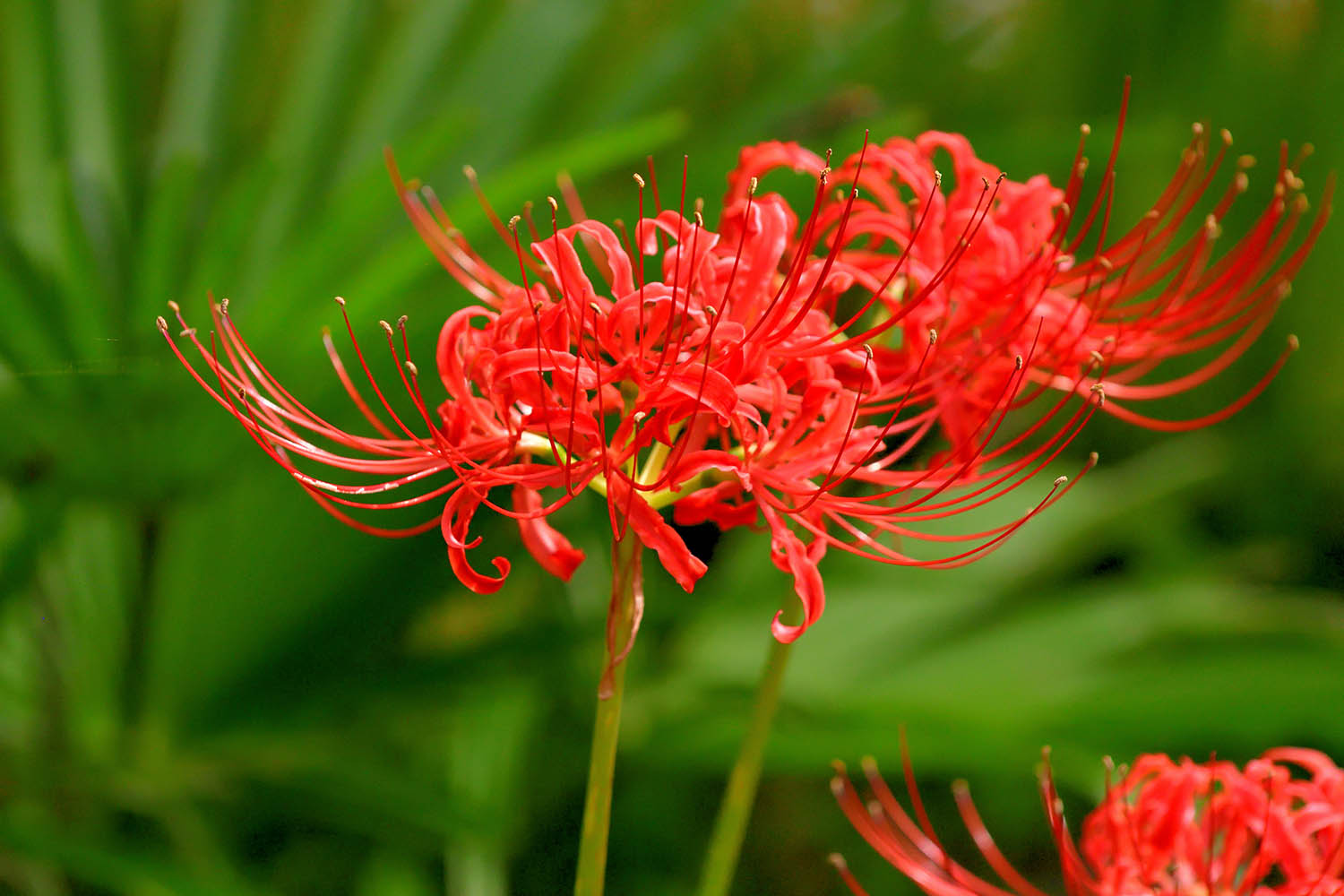
‘Naked lady’ spider lilies bring surprise blooms

‘Naked lady’ spider lilies bring surprise blooms

Every regular co-host on the WPTF Weekend Gardener has discussed with delight, at one time or another, the attributes of the “naked lady” spider lily or Lycoris radiate. I have read that the name “Lycorus” refers to the mistress of the Roman leader Mark Anthony. Of course, there are other names for this popular bulb: “Cluster amaryllis”, “Equinox flower”, “Hurricane lilies”, “Magic lily”, “Resurrection lily”, and “Surprise lily”. Yes, this extraordinary perennial bulb is in the amaryllis family and is a native of China, Korea and Japan, but there are varieties that are native to the southeastern U.S. including North Carolina. … Continue Reading

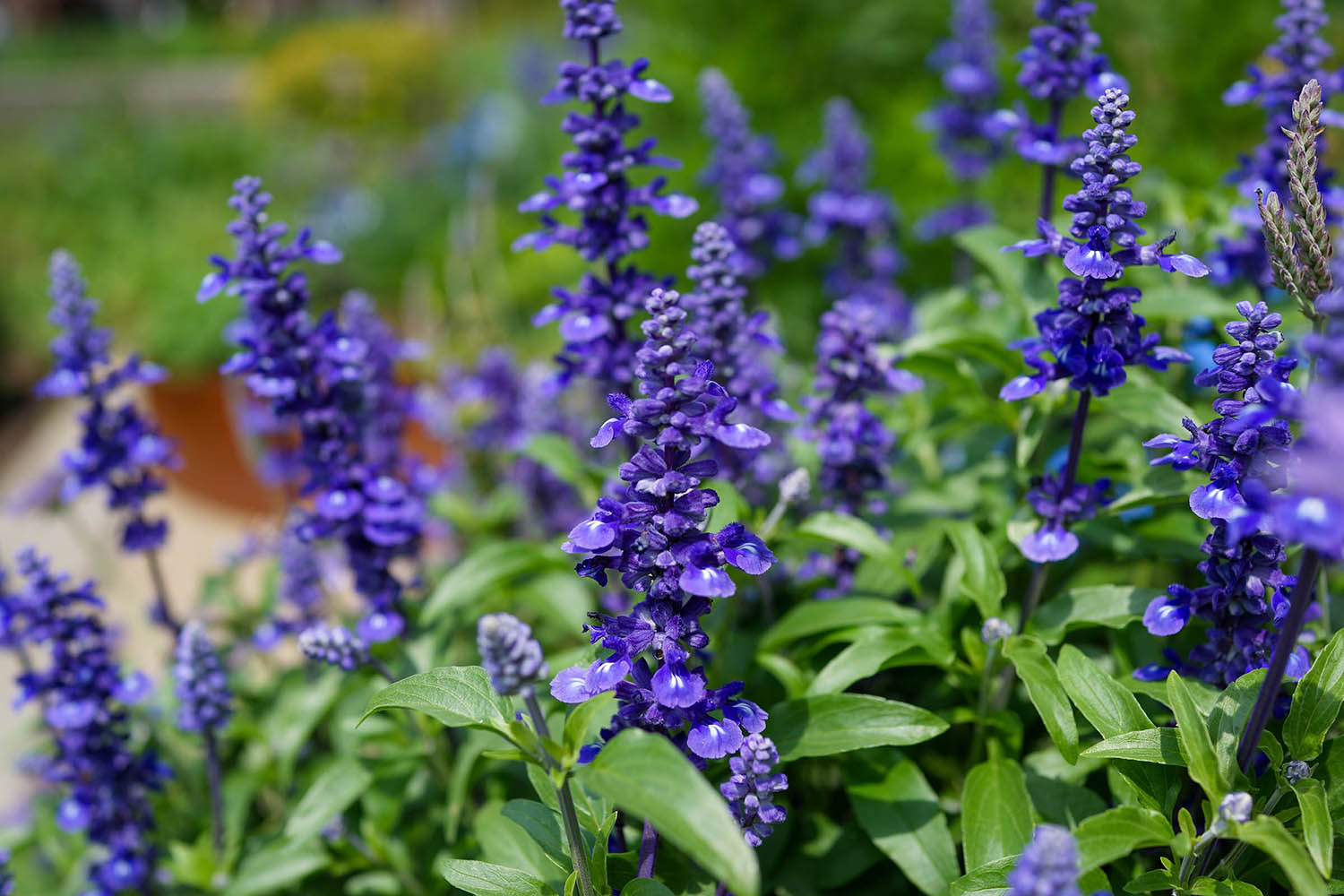
Salvia: A colorful, hardy favorite for Carolina gardens

Salvia: A colorful, hardy favorite for Carolina gardens

Everyone should have some type of salvia in their landscape. Sage advice, I must say, if you like puns that is! Salvia also is known for its medicinal qualities for oral health, digestion problems and cognitive issues. I for one have never considered eating salvia. Sage is, of course, considered a culinary herb, so I suppose I have eaten some over the years. There are over a thousand salvia species and just as many cultivars and hybrids. Just like several plants I have in my yard, salvia is part of the mint family. Most salvia flowers don’t have fragrance, however their foliage does. Salvia is also a pollinator favorite.… Continue Reading

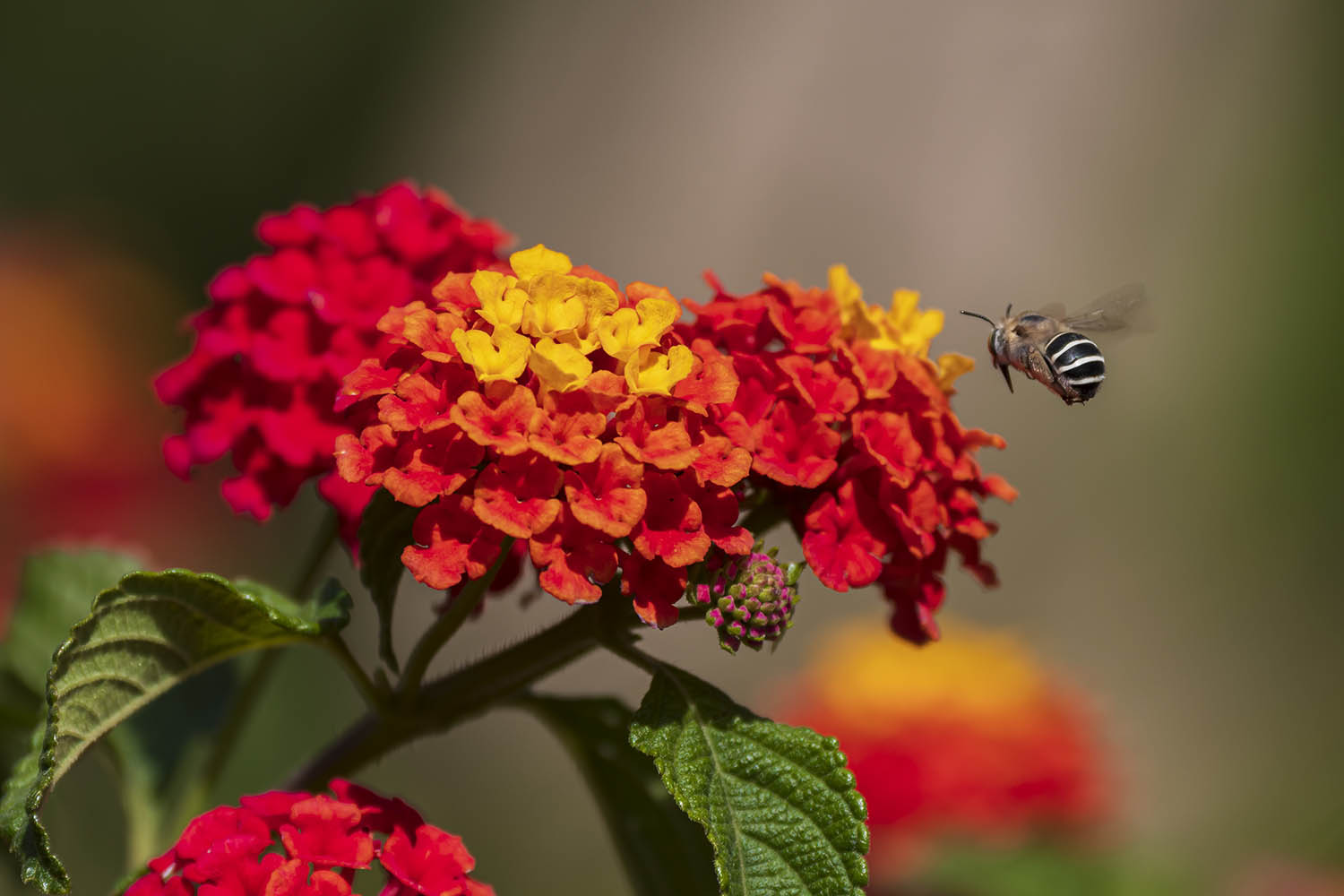
Lantana: The sun-loving, pollinator-friendly powerhouse

Lantana: The sun-loving, pollinator-friendly powerhouse

I have grown to love lantana. I never really had anything against it. It’s just the fact I haven’t had a lot of sun areas in my landscape and lantana can take up a fair amount of room if it is happy. Most of North Carolina is hot throughout the summer and we certainly have drought periods. Lantana is made to order for these conditions. Lantana is in the verbena family and is sometimes called “shrub verbena.” It comes in various sizes from 1 to 6 feet tall and 3 to 5 feet wide according to my friends at the Cooperative Extension Service. It loves full sun, moist, but well-drained soil to fully perform. Lantana grows particularly well in the piedmont and thrives on the coastal plain and coast of North Carolina. It is even salt tolerant.… Continue Reading

Crocosmia: From Sweet Melissa’s grandparents to your garden

Crocosmia: From Sweet Melissa’s grandparents to your garden

We have enjoyed growing the very colorful Crocosmia-“montbretia” or “Coppertips”- a summer-blooming flower that reminds me of a miniature gladiola. Crocosmia grows from corms which are sort of like bulbs that store nutrients. Crocus, Dalias, Anemones, and Gladiolus do too. We have had them in our landscape for decades. This flower grew abundantly in Sweet Melissa’s grandparents’ landscape in Pittsboro and she transplanted a few bulbs to our yard. The few are now many. Melissa’s paternal grandparents, Marvin and Myrtle Reeves were special people. Everyone who knew them said so. That makes our crop of Crocosmia extra special.… Continue Reading

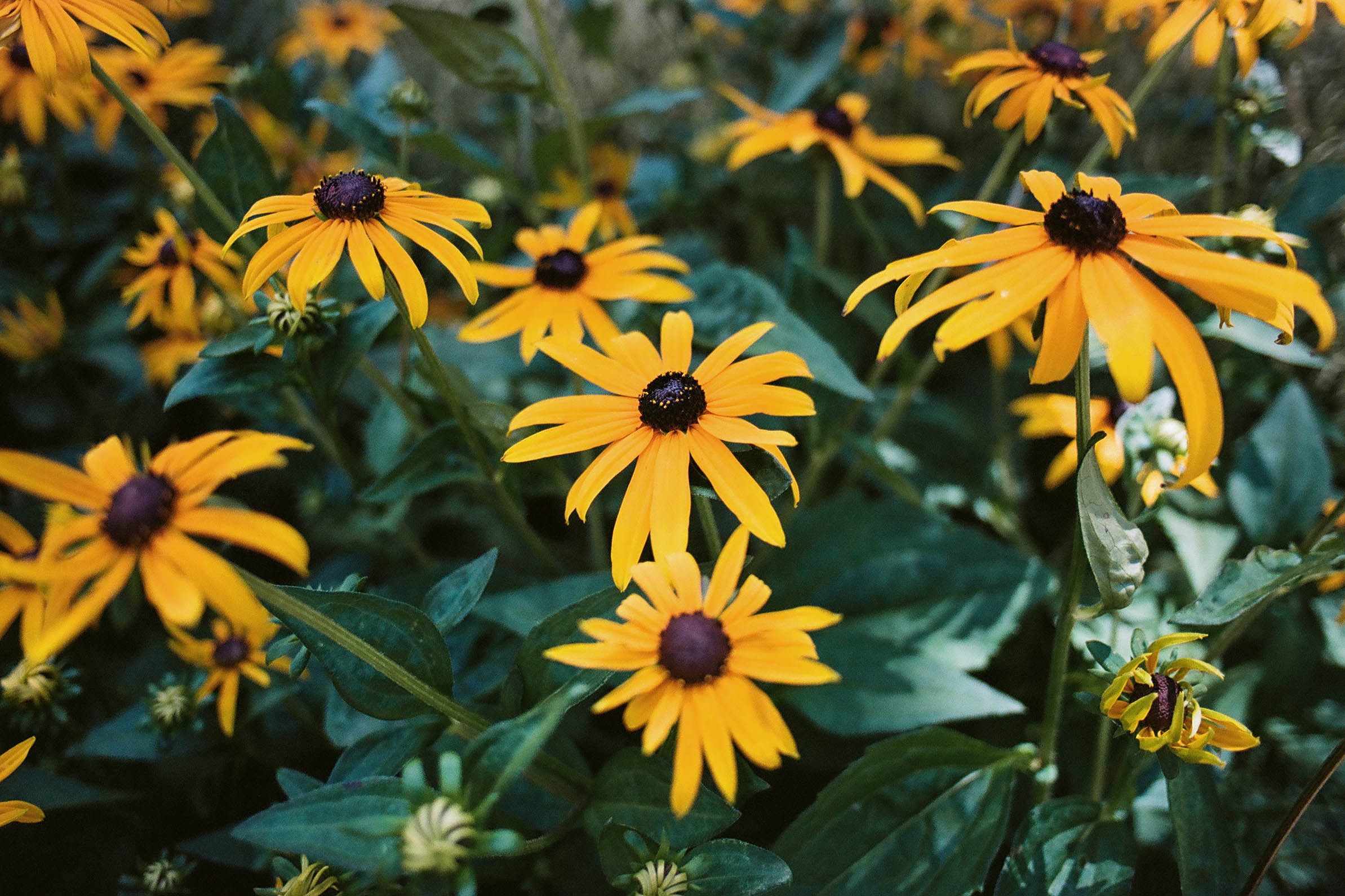
Black-Eyed Susan: A Cheerful Bloom From North Carolina to Norway

Black-Eyed Susan: A Cheerful Bloom From North Carolina to Norway

Black-eyed Susan may be native to North Carolina, but its golden blooms have found their way around the world—even to the hills of Norway, where I recently spotted them thriving among the snow-capped peaks. Hardy, cheerful, and largely unbothered by pests, this adaptable member of the sunflower family brightens up gardens from summer through fall. It’s beloved not just by gardeners, but by pollinators like bees and butterflies—and come autumn, even finches stop by for a snack. Whether you’re planting in clay or sand, sun or part shade, Black-eyed Susan earns its place with easy care and sunny disposition.… Continue Reading

Serviceberry: A little-known native tree that birds (and gardeners) love

Serviceberry: A little-known native tree that birds (and gardeners) love

RALEIGH, N.C. (WPTF) – Many years ago, my family and I were visiting relatives in Ohio in early April. On the way back home it snowed, although it did not stick to the roads. It stopped snowing as we were coming down Fancy Gap mountain on the Virginia-North Carolina border, just north of Mount Airy. I have vivid memories of a tree with white blooms that caught my eye. It was a Serviceberry (Amelanchier) which is in the rose family. It is also called Shadbush, Shadblow, Juneberry, and Sugarplum. Native to all three regions of North Carolina and I had never seen one, so I read up on it and asked my “WPTF Weekend Gardener” co-host Anne Clapp about this interesting tree.… Continue Reading

From Ditch Lilies to Showstoppers: Growing Daylilies in North Carolina

From Ditch Lilies to Showstoppers: Growing Daylilies in North Carolina

Our loyal Weekend Gardener listener and friend Steve is the pot master of the universe when it comes to daylilies (Hemerocallis). You may have heard them referred to as “ditch lilies. These perennials originated in China. I must say though, they just love the climate here in North Carolina. There are over 60-thousand varieties with lots of colors from pale yellow to pink to lavender to maroon. They are extremely popular in North Carolina and there are active daylily clubs all over the state including Raleigh. Our friend Steve’s club meets at the Ralston Arboretum. Once upon a time Rufus entered a daylily from his landscape in the club’s marvelous show and won a blue ribbon. You would have thought he had been handed the Nobel prize.… Continue Reading

Meet Illicium: A Shade-Loving Shrub with Personality

Meet Illicium: A Shade-Loving Shrub with Personality

I can remember a time when there were few shade-loving shrubs from which to choose for the North Carolina landscape. In the early years of the “Weekend Gardener,” Erv Evans or those who filled in for him, would primarily recommend: acubas, rhododendrons, azaleas, or hydrangeas. Now there are a plethora of woody plants for the darker areas of your yard. What I am building up to is the world of Illiciums or Illicium parviflorum, illicium floridanum and illicium parviflorum anise shrubs. The leaves of this species have a distinctively pleasant scent when crushed. Most people say it smells like licorice, which is not my favorite. However, I do think it has a unique fragrance. The flowers of the floridanum have another distinctive attribute. They are pretty, a red to maroon color with a raw fishy fragrance. Some say it smells like a wet dog. This odor is not apparent unless the flower is right up to your nose. The plant usually blooms in April and May.… Continue Reading

Why the ninebark shrub deserves a spot in your garden

Why the ninebark shrub deserves a spot in your garden

How many of you have ever heard of the Ninebark shrub or Physocarpus opulifolius for those of you who like to get technical? I hadn’t until recently! Since then I have learned that the Ninebark is also referred to in horticulture circles as Common Ninebark, Atlantic Ninebark, or Eastern Ninebark and is native to the eastern United States including North Carolina. Most frequently seen growing in the mountains and foothills of North Carolina, but seen less often in the central part of the state. It seems to like rocky hillsides and slopes near rivers. You won’t find ninebark growing very much in eastern North Carolina.… Continue Reading

← Older posts
Newer posts →
  • Pulse FM

  • The Triangle’s Rock

  • 94.7 QDR

  • KIX 102.9

  • La Ley

  • 96.1 BBB

  • Oldies 104.7

Copyright © 2025 WPTF-AM. All rights reserve
  • Advertise
  • Privacy Policy
  • Terms of Service
  • Contest Rules
  • EEO
  • Public Inspection File: WPTF-AM
  • Employment Opportunities
  • FCC Applications
Powered By SoCast