
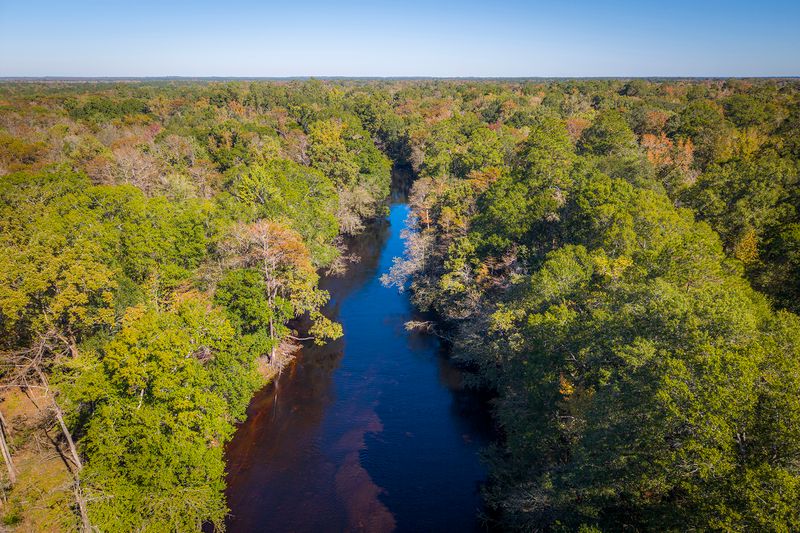
FAIR BLUFF, N.C. (NCN News) – About 3,000 acres are being added to a North Carolina State Park in Robeson County.
N.C. State Parks and The Conservation Fund announced the acquisition of a 3,005-acre tract along the South Carolina border to be added to Lumber River State Park.
The land, located in Robeson County near the town of Fair Bluff, will protect the west banks of the river and provide public access to a scenic section of the river boasting dual designations as a National Wild and Scenic River for its recreation opportunities and a state Natural and Scenic River for its natural composition. N.C. State Parks is part of the N.C. Department of Natural and Cultural Resources.
“Millions of residents and visitors enjoy North Carolina’s remarkable natural beauty every year,” said Governor Josh Stein in a press release. “Protecting this land along the Lumber River will help preserve it for generations to come.”
The Conservation Fund coordinated the endeavor and acquired the property from a willing seller through a $4.05 million grant from the North Carolina Land and Water Fund and private fundraising. State Parks is acquiring the land from The Conservation Fund using a $3.6 million grant from the federal Land and Water Conservation Fund (LWCF) with supplemental funding of $234,375 from the state Parks and Recreation Trust Fund, approved in fiscal year 2025-26.
“Protection of this property along the Lumber River is an investment in the protection of water quality, outdoor recreation, and the long-term resilience of the area,” said DNCR Secretary Pam Cashwell. “This acquisition will also protect a significant portion of the federally designated National Wild and Scenic River system.”
“Big conservation wins happen when the right people come together around a shared goal,” said Guenevere Abernathy,
The Conservation Fund’s North Carolina state director. “The Conservation Fund helped bring the partners and resources together to protect these 3,005 acres, and we’re excited to see this land become part of Lumber River State Park. It’s a win for the river, for wildlife, and for the people who live nearby. This remarkable place will be enjoyed by people from across the state for years to come.”
“North Carolina’s natural resources are a big part of what makes our state a great place to visit and to live,” said U.S. Senator Thom Tillis, who represents the area. “By protecting this land and expanding access to the Lumber River, we’re preserving our state’s outdoor heritage and ensuring future generations can enjoy it for years to come.”
The Lumber River basin includes a wide expanse of wetlands that are home to endangered and rare species of plants and animals. The river has also long been an important water resource for the communities along it, dating to the time of the ancestors of the present-day Lumbee Tribe. Lumber River was ranked No. 4 on American Rivers’ list of Most Endangered Rivers in the country earlier this year.
Located in Columbus, Robeson, Scotland, and Hoke counties 60 miles south of Fayetteville, Lumber River State Park features three primary access areas along the 115-mile river: Princess Ann in Orrum, Wire Pasture in Maxton, and Chalk Banks in Wagram. The new Wire Pasture access opened this summer just minutes from the Lumbee Tribe Cultural Center and the University of North Carolina at Pembroke. The addition of the 3,005-acre parcel will increase the park’s acreage to 16,594 acres, surpassing the Dismal Swamp and Stone Mountain state parks and making it the second-largest unit of the state parks system after South Mountains State Park.